
As public concern over sewage being discharged into rivers continues to grow, the tools needed to detect and prevent these incidents are already within reach. By investing in advanced monitoring solutions—like Keynes Controls ’ tryptophan sensor—water companies can keep a closer eye on water quality and address potential issues before they escalate into public backlash.
Keynes Controls ’ tryptophan sensor is designed to track sewage discharge and support a range of uses, including pinpointing pollution sources, ongoing surveillance, operational checks, and detailed investigations. In one case, the Environment Agency (EA) identified a significant signal from one of these sensors, which ultimately led to a substantial fine for Southern Water.
After heavy storms, it’s common for sewage to be discharged into river systems. Water companies are allowed to do this when the sewer network becomes overwhelmed—such as during prolonged periods of intense rainfall—so that the system can continue to function without backing up.
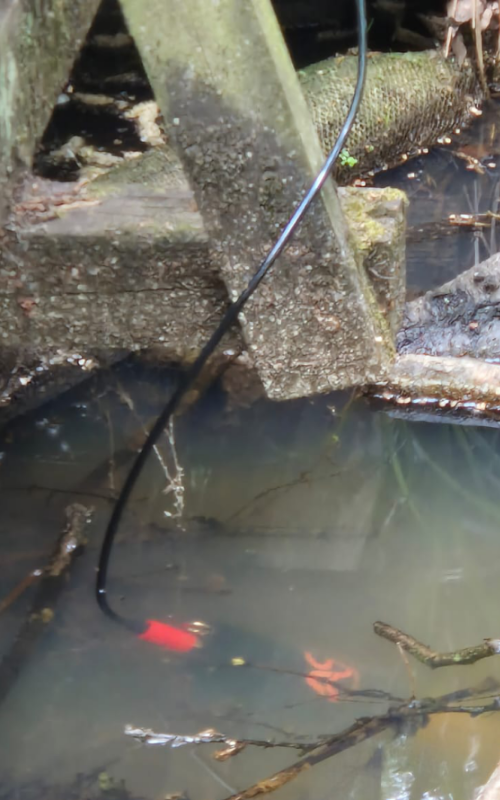
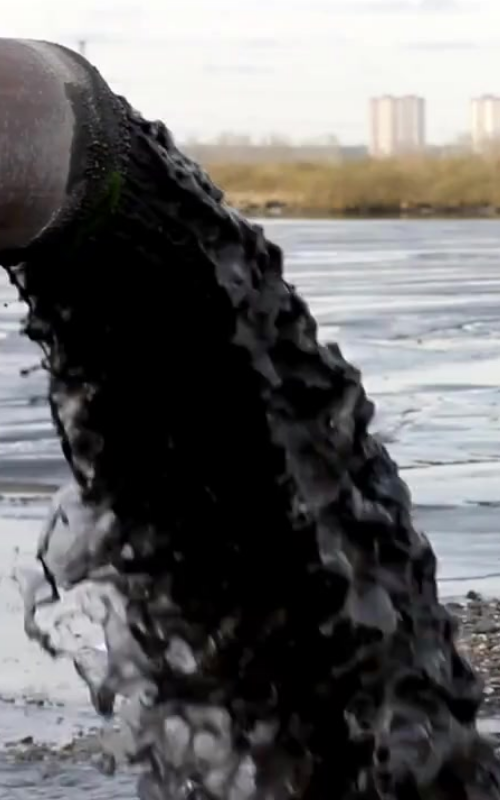
Why is there even sewage discharge in our rivers ?
Water utilities are allowed to release sewage into rivers and streams when the sewer system reaches capacity—typically during extreme weather, like prolonged heavy rainfall. This helps prevent flooding and stops sewage from backing up into streets, homes, and roads.
The Environment Agency (EA) itself notes that these overflows aren’t a sign of failure, but rather “a necessary part of the existing sewerage system.”
These permitted releases are closely monitored by water companies and are built into current regulations. The reality, however, is that much of the UK’s sewer network dates back to the Victorian era.
It now has to handle modern demands, including growing housing developments, which puts it under significant strain. Upgrading and maintaining this infrastructure requires sustained, large-scale investment.
At the same time, water companies face competing pressures: keeping consumer bills affordable while also delivering returns to shareholders. Some are already in a weak financial position. Critics argue that this tension has led to years of underinvestment, leaving an ageing system struggling to keep up.
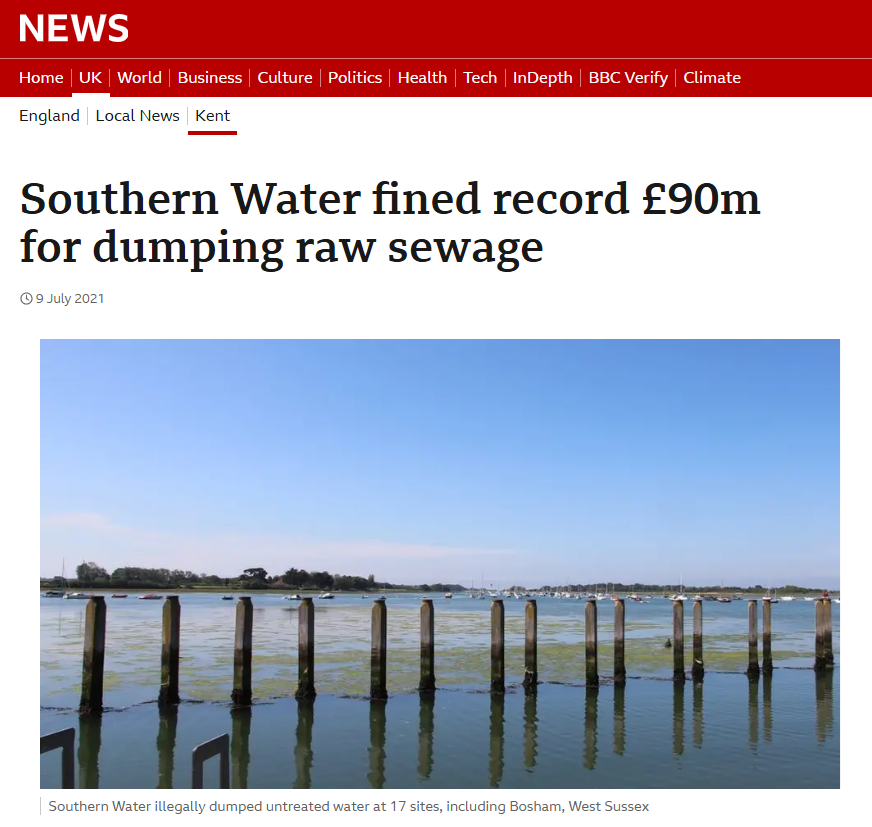
Is something amiss!
Something clearly isn’t right. According to the latest data from the Environment Agency (EA), every river in England failed to meet pollution standards, and only 14% reached what’s considered a “good ecological standard.” To be rated overall as “good,” rivers must meet both ecological and chemical benchmarks—but in this assessment of 4,600 rivers, lakes, and waterways, not a single one achieved both. Most were rated “moderate” (3,740 waterways), while 793 were classed as “poor” and 137 as “bad.”
This widespread decline in water quality is often linked to agricultural and industrial runoff, but raw sewage discharges from water companies also play a major role. In 2024 alone, there were over 471,000 recorded sewage spills into England’s rivers and seas, adding up to more than 3.1 million hours of discharge.
So while utilities are allowed to release sewage during extreme weather, critics argue that some companies are exploiting these rules and benefiting from weak oversight. Campaign groups like Windrush Against Sewage Pollution say they’ve gathered evidence suggesting many more spills are happening than are officially reported—raising concerns about a system where companies are largely responsible for monitoring themselves.
What is the the solution for water companies
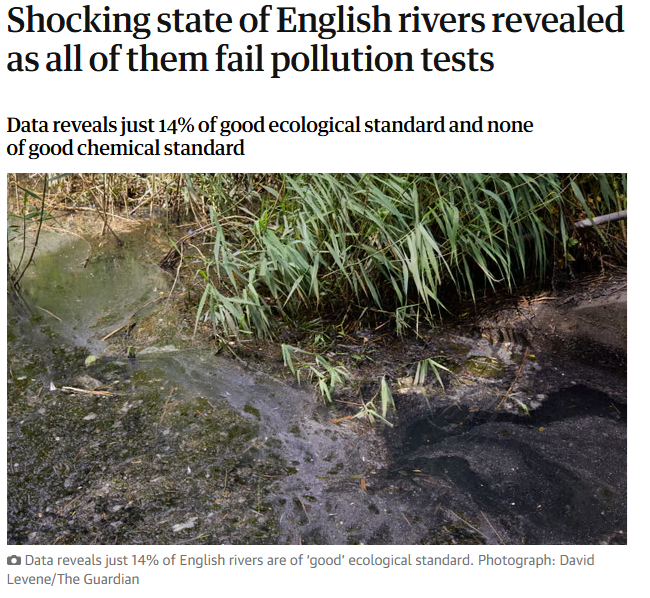
Groups like The Rivers Trust, Surfers Against Sewage, and Blueprint for Water have managed to turn what used to be a niche environmental issue into a mainstream political one. Sewage discharges—especially from storm overflows—are now widely seen not just as an ecological problem, but as a failure of regulation, infrastructure investment, and corporate accountability.
There are a few reasons this pressure is unlikely to ease:
First, the visibility of the problem has changed. Citizen science, river testing kits, and social media have made pollution incidents tangible and local. People can literally see and measure the impact in their own communities, which makes it harder for the issue to drift out of public attention.
Second, the framing has broadened. It’s no longer just about wildlife; it’s about public health, recreation, and fairness—particularly when water companies are perceived to be paying dividends while infrastructure lags. That combination tends to sustain outrage.
Third, regulatory scrutiny is tightening. Bodies like Ofwat and the Environment Agency are under political pressure themselves, which creates a feedback loop: more public concern → more regulatory action → more media coverage.
The Thames River has been a focal point for fish kills linked to sewage pollution, with significant incidents reported in recent years.
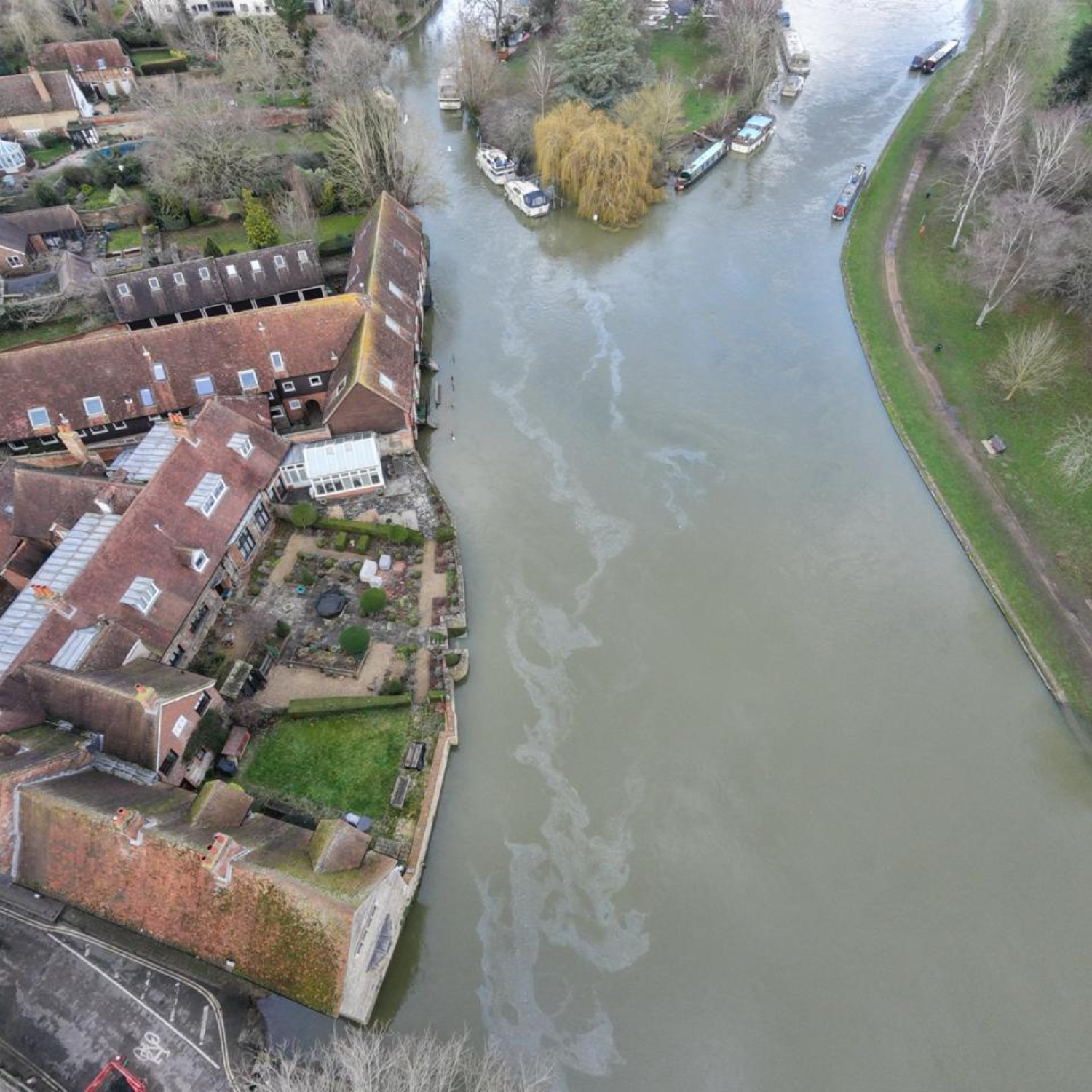
The Environment Agency has documented a rise in fish deaths, with figures escalating from 26,690 in 2020-2021 to 116,135 in 2023-2024, a 176% increase. Sewage spills contributing to the environmental crisis in UK rivers.
How does the ARGES Tryptophan sensor detect sewage
Tryptophan is an essential amino acid produced by all living organisms, and its fluorescence can be used as a powerful indicator of water quality. Our case studies show that in situ tryptophan-like fluorescence monitoring, using sensors developed by Keynes Controls , can effectively detect sewage pollution events even in complex and heavily contaminated river systems.
This approach can distinguish between different water types and sources of pollution, while also providing insight into microbial activity, which is often influenced by nutrient inputs such as agricultural runoff. It is sensitive enough to detect low levels of fluorescent dissolved organic matter (FDOM) in relatively unimpacted rivers, as well as to characterise highly nutrient-enriched and polluted environments.
As a result, tryptophan fluorescence monitoring offers a versatile tool for investigating natural waters across a wide spectrum of conditions, from near-pristine systems to those heavily affected by human activity.
ARGES Tryptophan Sensor Bundles
The Keynes Controls multiparameter systems are low cost making them ideal for mass deployments. The state-of-the-art design uses the latest sensors and power management techniques, coupled with anti-fowling options allows for long-term remote deployments. All of the ARGEs submersible chemical sensors, individually and combined into multiparameter systems can be connected to many different communication systems.
Onsite Testing Kits - Bundles
FOR THE ANALYST – The Keynes Controls field kit (Bundle 1: Essential Monitoring Kit). Simplify your infield pollution monitoring with the USB-SDI12-AG1 dongle, Cable, and Single Sensor.
FOR THE ENGINEER – The Keynes Controls works kit (Bundle 2: Advanced Chemical Monitoring Kit). Streamline your infield pollution monitoring setup with the USB-SDI12-AG1 media converter, 3 Port SONDE, Cable, and your choice of ARGES Chemical Sensors.
FOR THE RESEARCHER – The Keynes Controls research kit (Bundle 3: Comprehensive Research Kit). Conduct precise testing with the Display Unit, USB-SDI12-AG1 media converter, 3 Port SONDE, and your choice of ARGES Sensors.
FOR THE MULTI-SENSOR SPECIALIST – The Keynes Controls multi-sensor kit (Bundle 4: Ultimate Monitoring Kit). Tackle complex infield monitoring tasks with the Display Unit, USB-SDI12-AG1, 7 Port SONDE, Cable, and your choice of ARGES Sensors for maximum flexibility and performance.


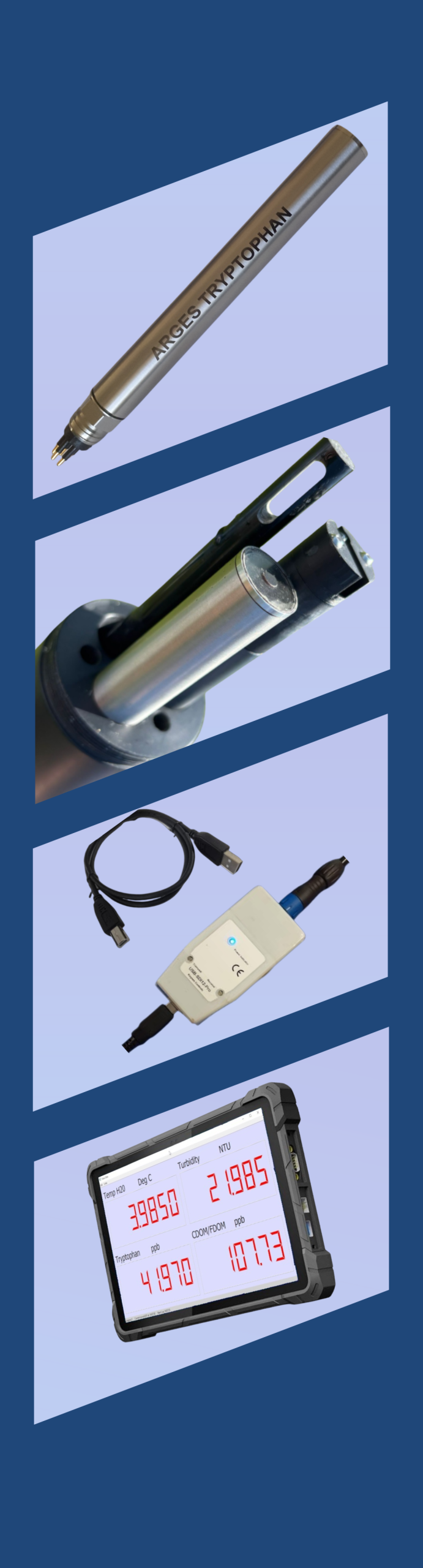
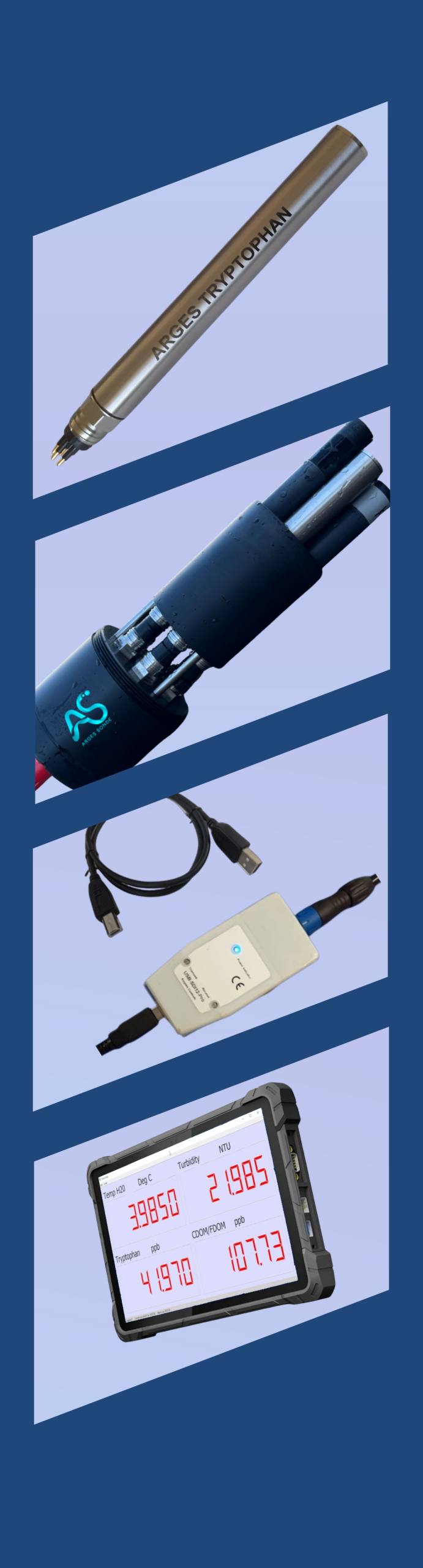
.
Additional Information:
Related Products by Keynes Controls: Submersible Fluorometer, Tryptophan sensor, ARGES Tryptophan, Chlorophyll Fluorometer, ARGES chlorophyll, Single Channel Fluorometer, Handheld Portable Fluorometer, Fluorometer Sensor, Submersible Chlorophyll Fluorometer, ARGES CDOM/FDOM, ARGES CDOM, Turbidity sensor, ARGES Turbidity, Hydrocarbon sensor, ARGES Hydrocarbon, ARGES Sensor, ARGES pH, pH Sensor, ARGES Dissolved oxygen, dissolved oxygen sensor, MODBUS fluorometer, SDI12 fluorometer, RS485 fluorometer, PAH
Key Words Related to Identifying Our Products or Intended Product Use or Product Outcome: Fluorometer, Tryptophan, Fluorometer price, Turner Fluorometer, Field Fluorometer, Digital Filter Fluorometer, Water Quality Sensor, Water quality instrument, Clean water, Water pollution sensors, Sewage Sensor, Sewage leak detector. Updated by Kathryn Thomas. Fully compliant with Section 82 of the UK Environment Act 2021.